RUN FURTHER, FASTER,
AND PAIN FREE IN 90 DAYS
Learn the RPM System I built as a licensed physical therapist and run coach
to rebuild my running and now use to rebuild runners around the world
🔊 WATCH THIS FIRST (CLICK TO PLAY)
RUN FURTHER,
FASTER, AND PAIN
FREE IN 90 DAYS
Learn the RPM SYSTEM I built as a
licensed physical therapist and run coach
to rebuild runners around the world
↓
🔊 WATCH THIS FIRST (CLICK TO PLAY)
Real Transformations
Real runners. Real injuries. Real PRs.
Barbara +15min HM PR, 5K PR, Achilles fixed
Her HM goal of 1h50 felt impossible despite "doing everything right" but still dealing with Achilles pain. We simplified, fixed her form, and managed load properly → she smashed her HM PR by 15+ minutes (1:42) and ran a 21:46 5K PR 10 days later, pain-free
Albert 7y knee pain, 0 -> 20 mile weeks, 24min 5k PR
7 years of knee pain, multiple PTs, 6+ months off running...
Albert was about to give up entirely. We built a return-to-run program his body could handle → he went from zero to 20 miles/week pain-free with a sub-24min 5K PR to top it off
Luke
Stuck at 5k with ankle pain -> first sub 2h marathon in 10 weeks
Helmi
Only able to do 1 run per week due to knee pain -> 1:49 half marathon PR
Cristobal
Years of shin and ankle pain, 0 -> 30k weeks pain-free
Real Transformations
Real runners. Real injuries. Real PRs.
Barbara +15min HM PR, 5K PR, Achilles fixed
Her HM goal of 1h50 felt impossible despite training hard, and she had Achilles pain. We simplified, fixed her form, and managed load properly → she smashed her HM PR by 15+ minutes and ran a 21:46 5K PR 10 days later, pain-free
Albert 7y knee pain, 0 -> 20 mile weeks, 24min 5k PR
7 years of knee pain, multiple PTs, 6+ months off running...
Albert was about to give up entirely. We built a return-to-run program his body could handle → he went from zero to 20 miles/week pain-free with a sub-24min 5K PR to top it off
Luke: Stuck at 5k with ankle pain -> first sub 2h HM in 10 weeks
Helmi: 1 run per week due to knee pain -> 1:49 half marathon PR
How The RPM System Works
The Belgian Science-Based Approach To Running Excellence 🇧🇪
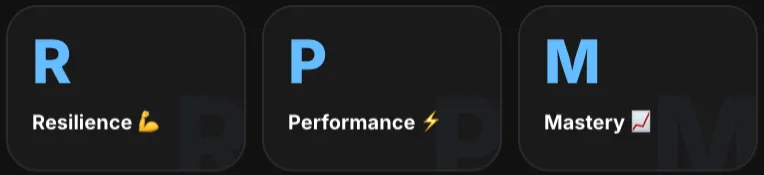
R
Resilience 💪
Injury rehab and prevention through smart load management to build a body that handles consistent training without breaking down.
P
Performance ⚡
Structured training systems for speed, endurance, and new personal bests. No AI junk, but progressive programming that compounds.
M
Mastery 📈
Long-term, sustainable improvement. Mastery covers nutrition, recovery, optional hybrid strength, and the mindset to keep progressing year after year.
My 3-Step Process
1
Intake Analysis + Plan Setup
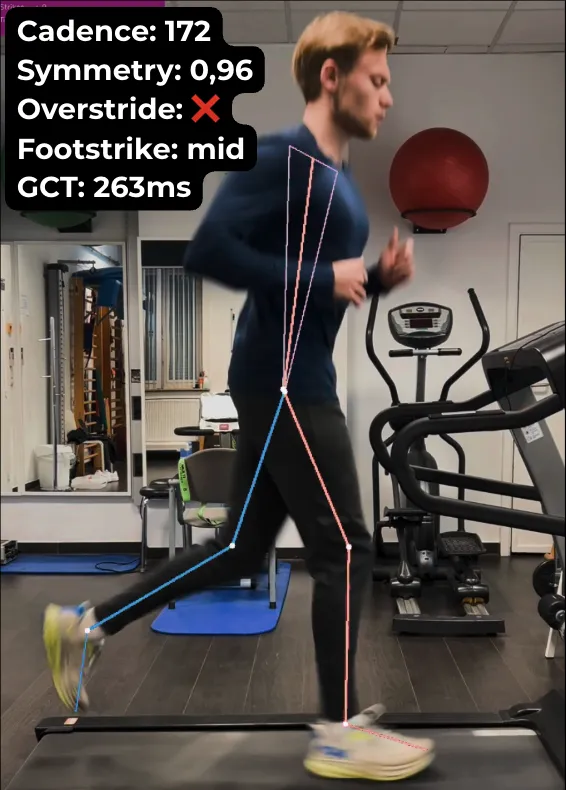
Training data analysis: connect your watch to my software so I can analyze your running
Intake testing: strength, stability, mobility, running form, and training habits
Custom plan: running, strength, nutrition, and recovery in one cohesive plan
2
Execute And Optimize Training
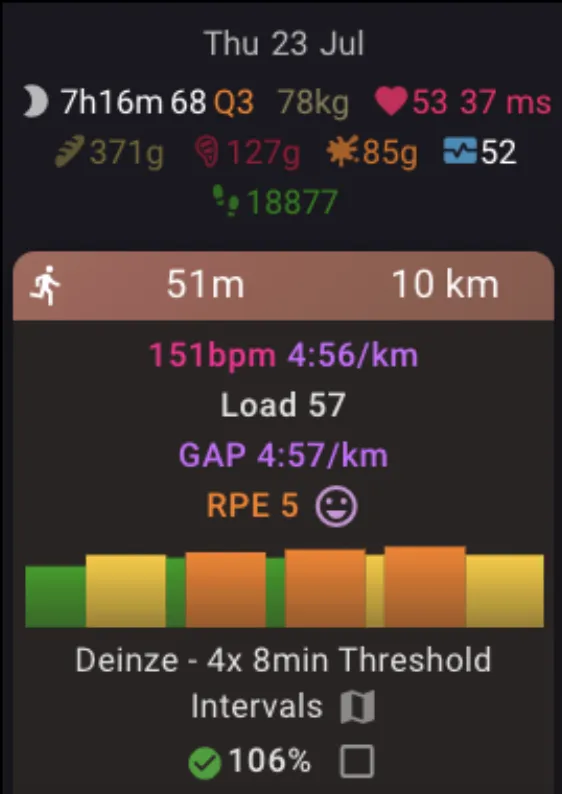
Workouts pushed to your watch
Execution feedback: runs + strength reviews + tracking of sleep, HRV, weight, nutrition,...
1:1 support: 24/7 chat and video calls
Unlimited plan adjustments: ensure you keep progressing without setbacks
3
Long-Term, Sustainable Progress
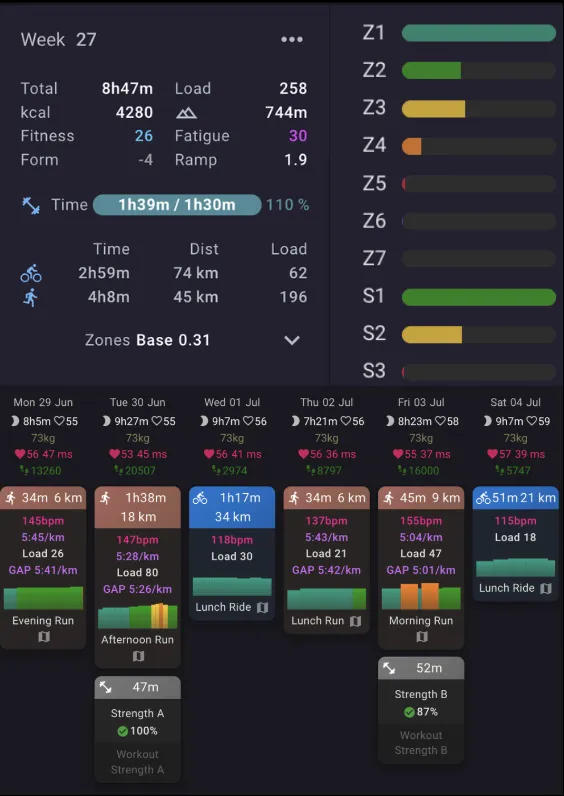
Stack training: once foundation is solid, we focus on stacking consistent weeks
Build sustainable progress: whether it's a PR, fixing an injury, or general health
Set new goals: continue performance for life
How The RPM System Works
The Belgian Science-Based Approach
To Running Excellence 🇧🇪
Resilience: injury rehab and prevention to build a body that handles consistent training without breaking down
Performance: structured training systems for speed, endurance, and new personal bests (no AI junk)
Mastery: long-term improvement including nutrition, recovery, mindset, and optional hybrid strength
My 3-Step Process
1. Intake Analysis + Plan Setup
Running: connect watch so I can analyze run history
Testing: strength, mobility, stability, form, and training habits
Custom plan: running, strength, nutrition and recovery
2. Exucute + Optimize Training
1:1 support: 24/7 chat and video calls when you need it
Feedback: on training + track metrics: HRV, sleep, nutrition,..
Unlimited plan edits: ensure you progress without setbacks
3. Long-Term, Sustainable Progress
Stack training: once training well, we focus on consistency
Build progress: towards your personal goal (injury, PR,...)
Set new goals: continue performance and health for life
Apply for 1:1 Coaching
Takes 2 minutes
Apply for 1:1 Coaching
Takes 2 minutes
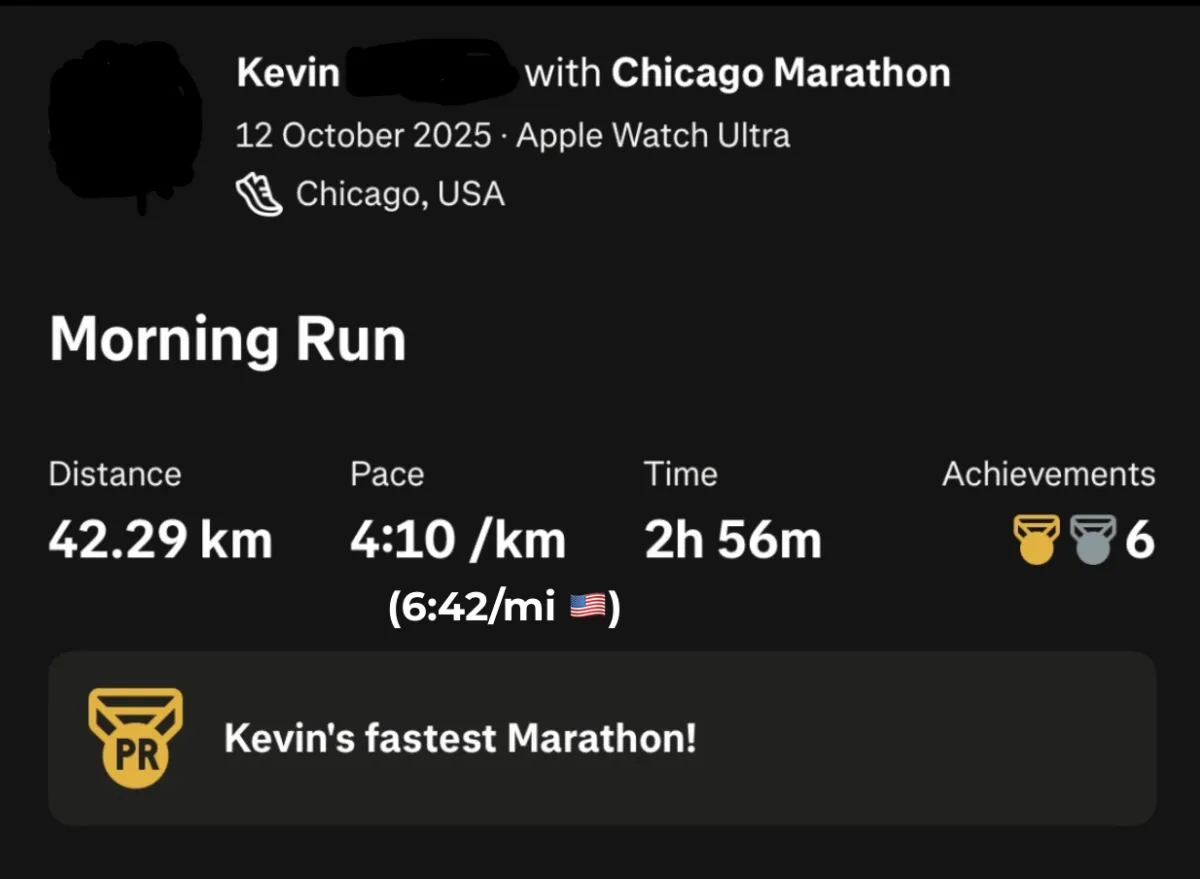
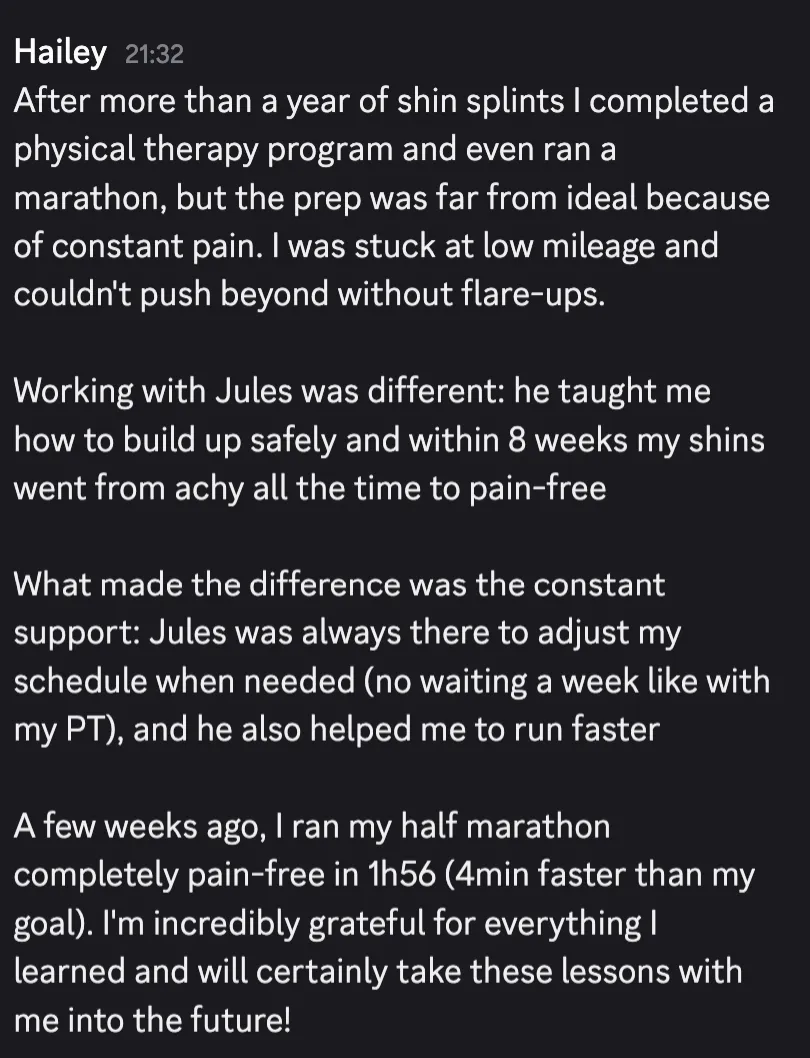
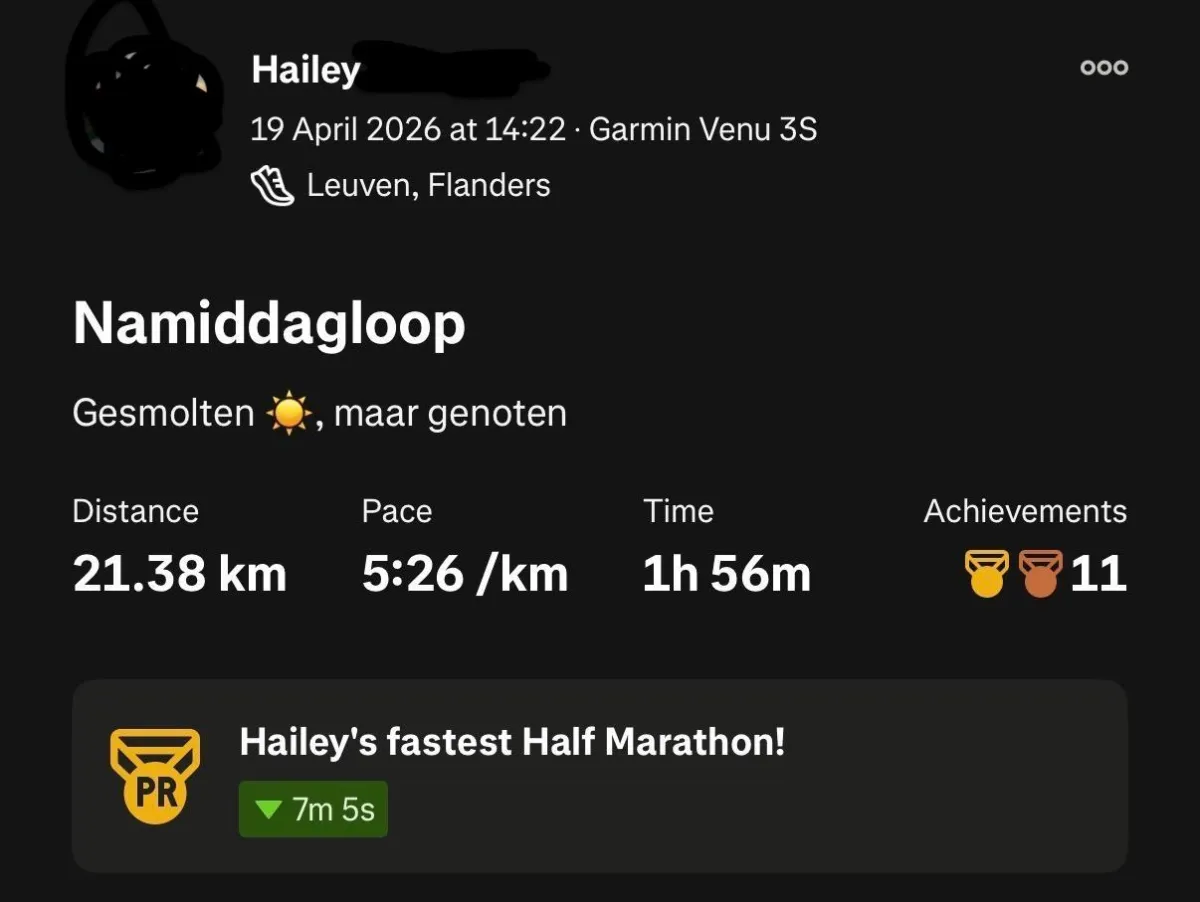
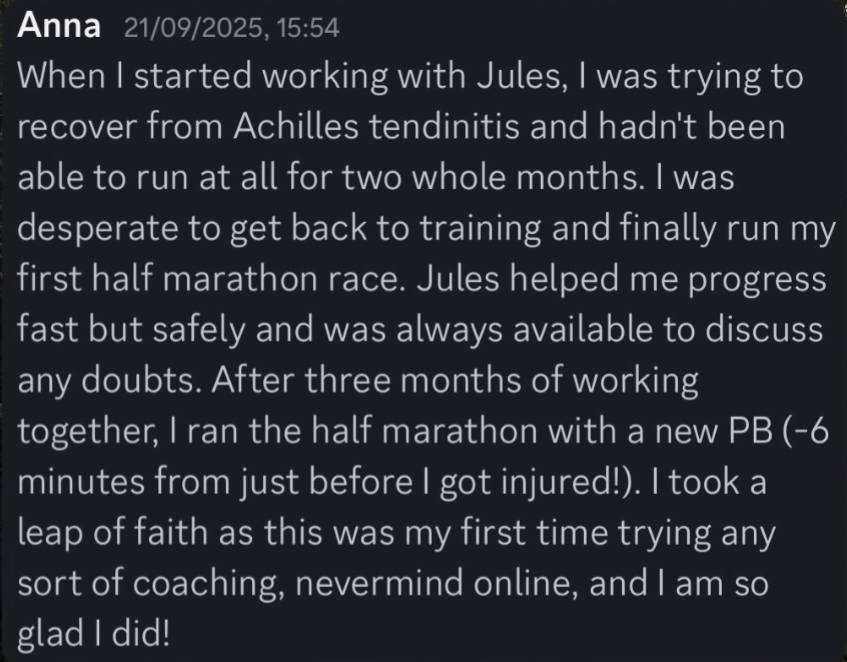
More Transformations
What clients have achieved and say after working together
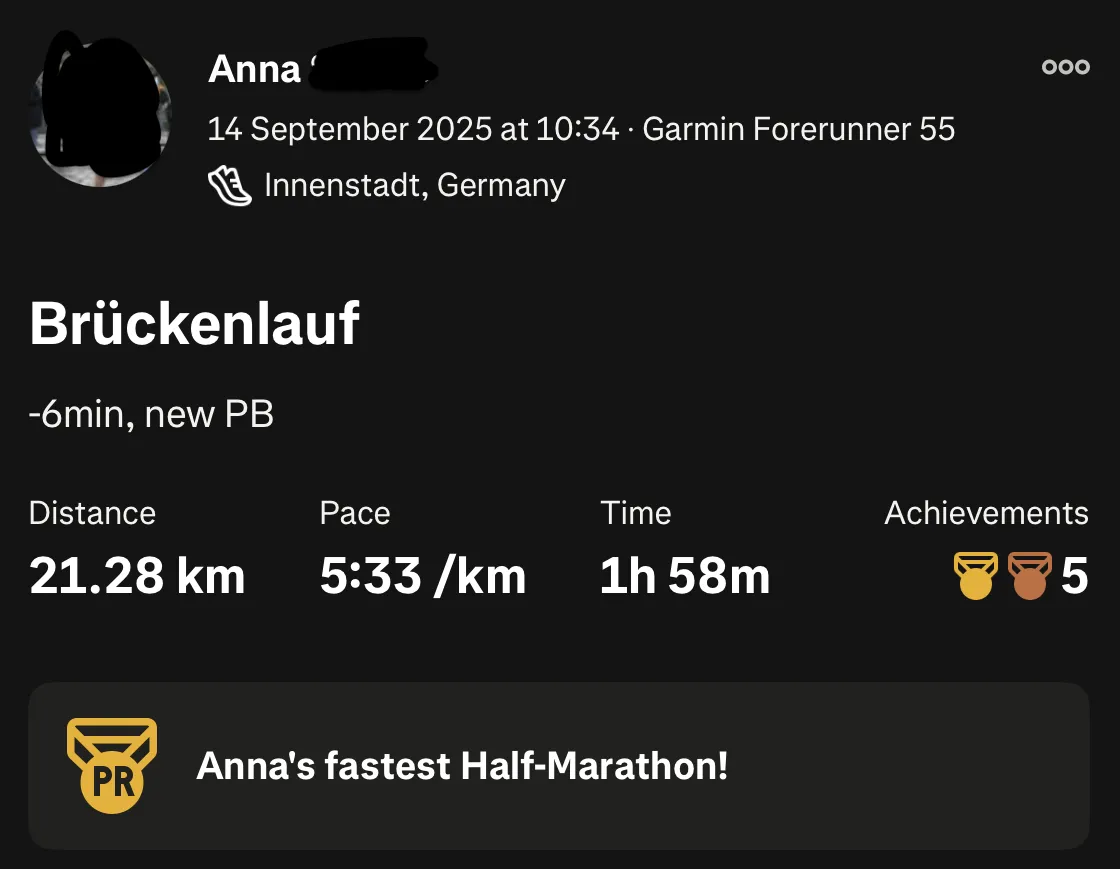
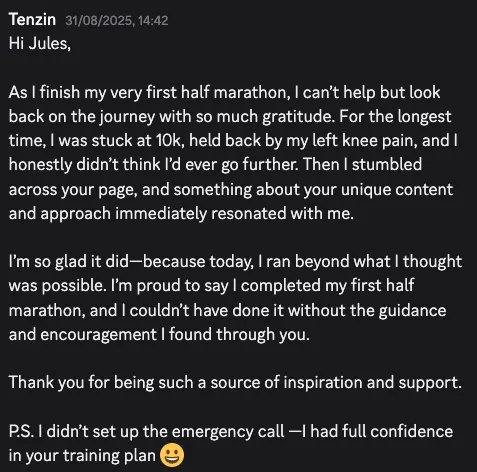
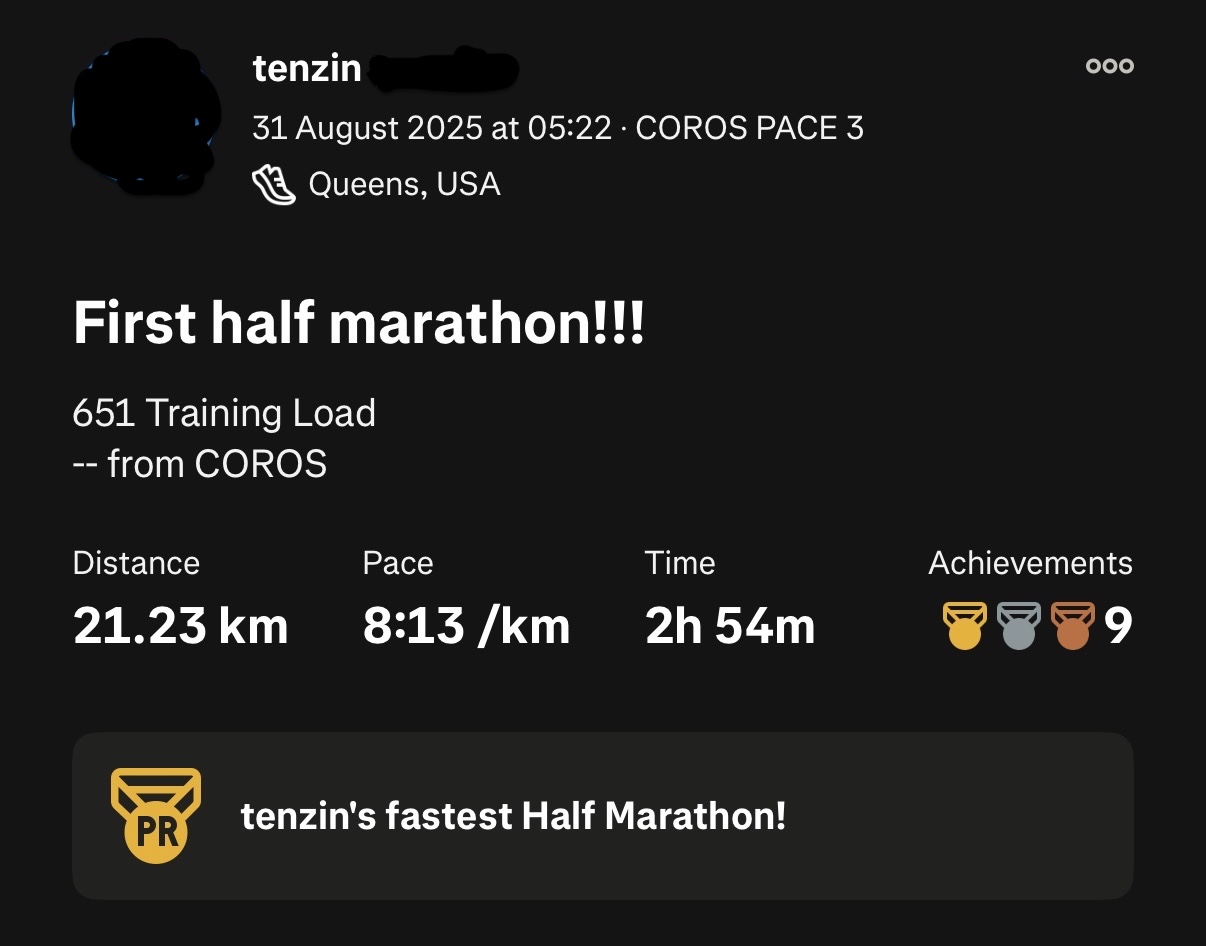
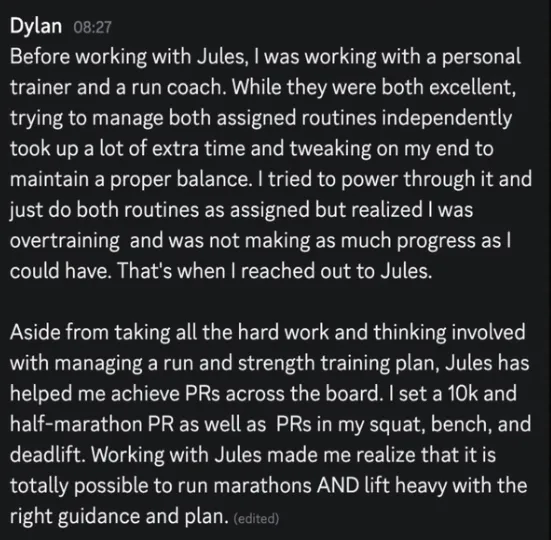
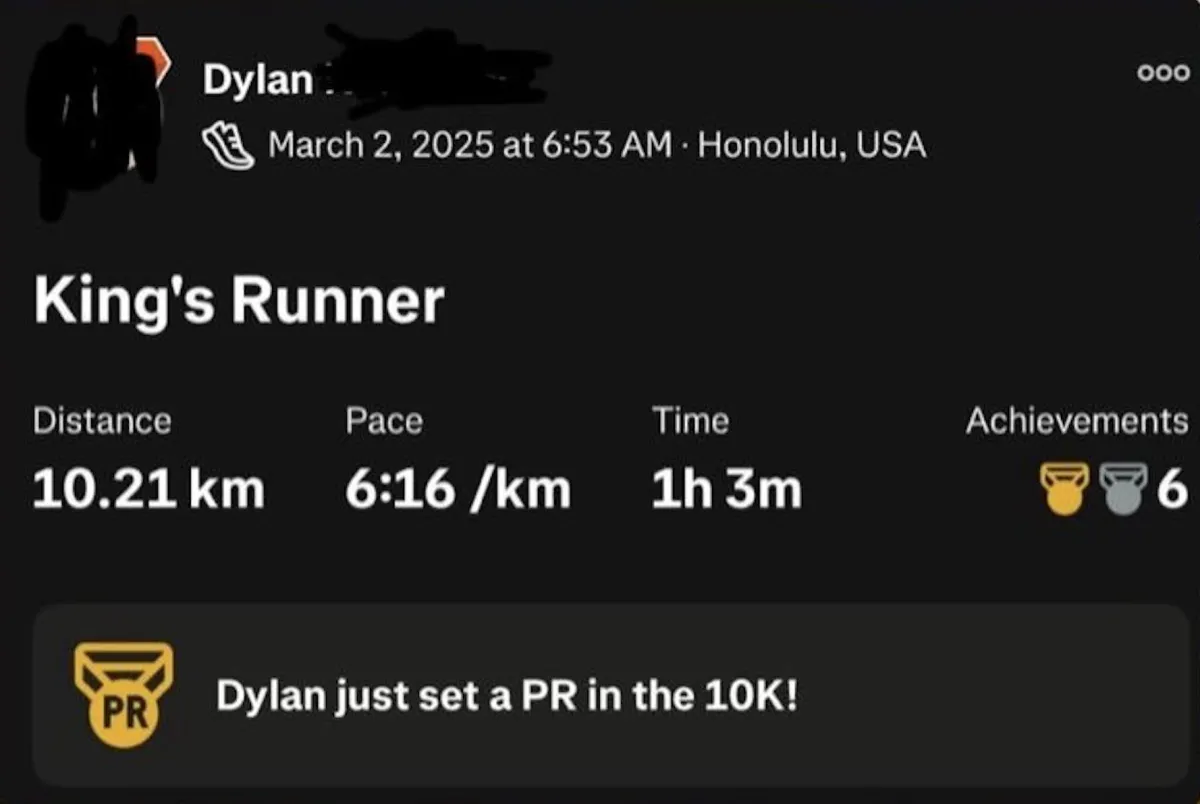
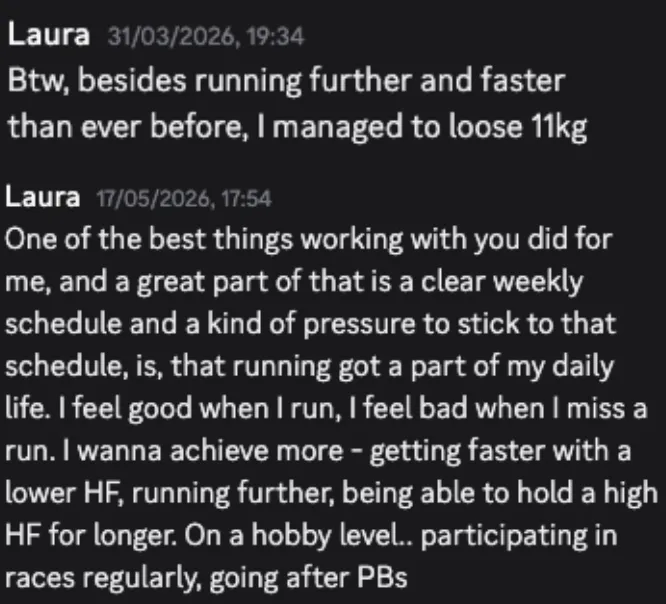
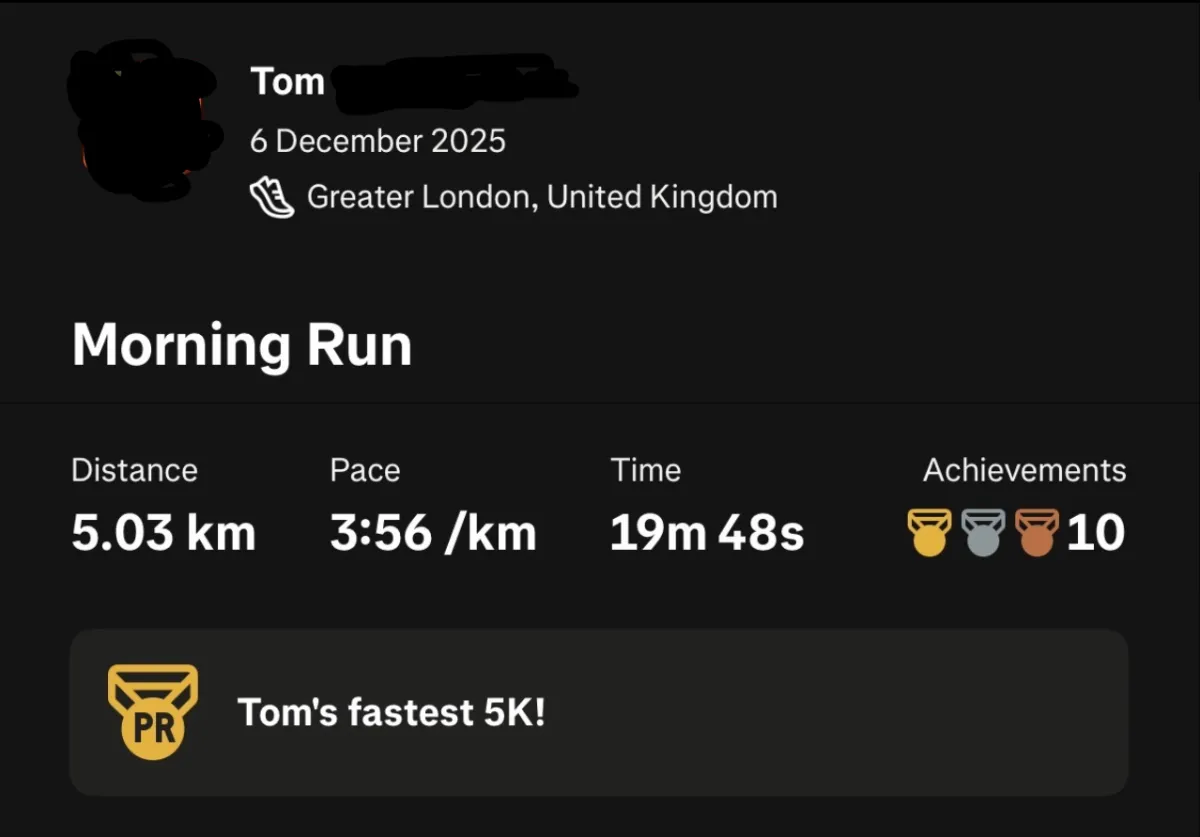
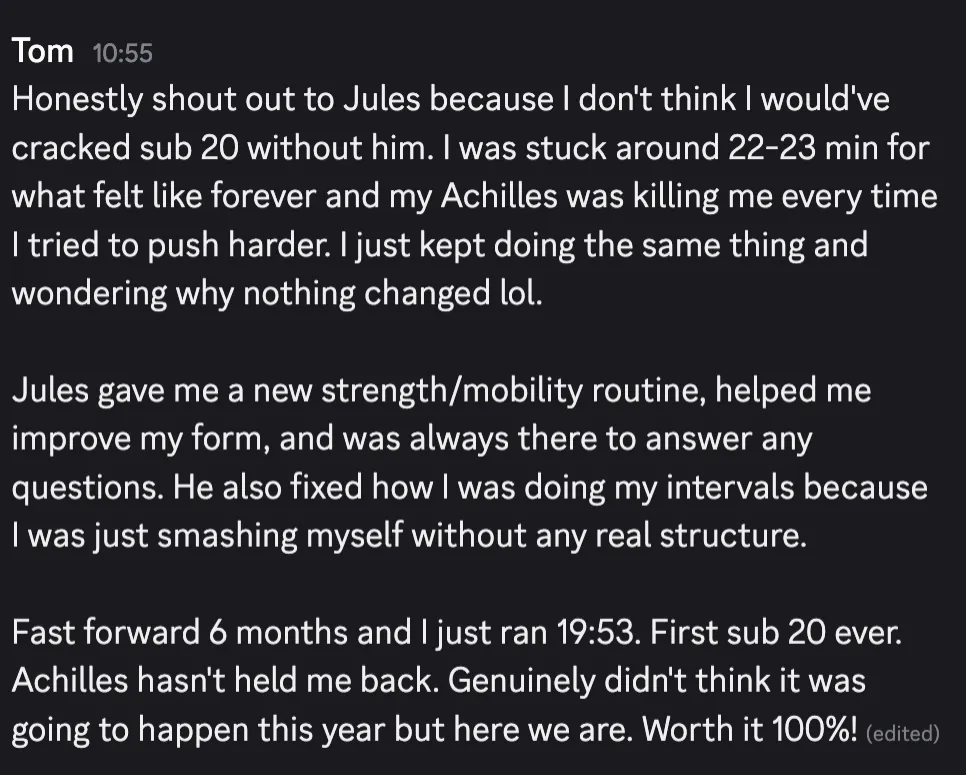
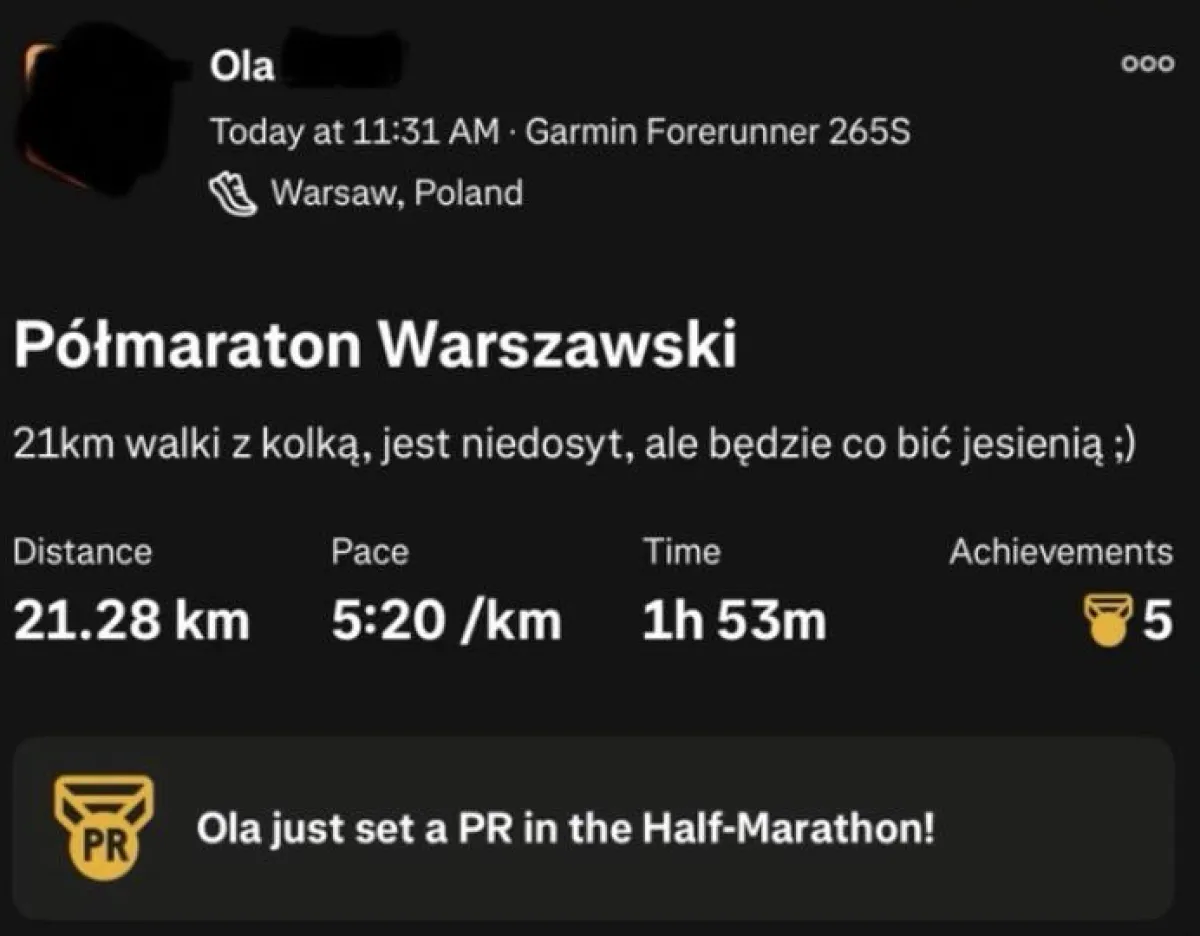
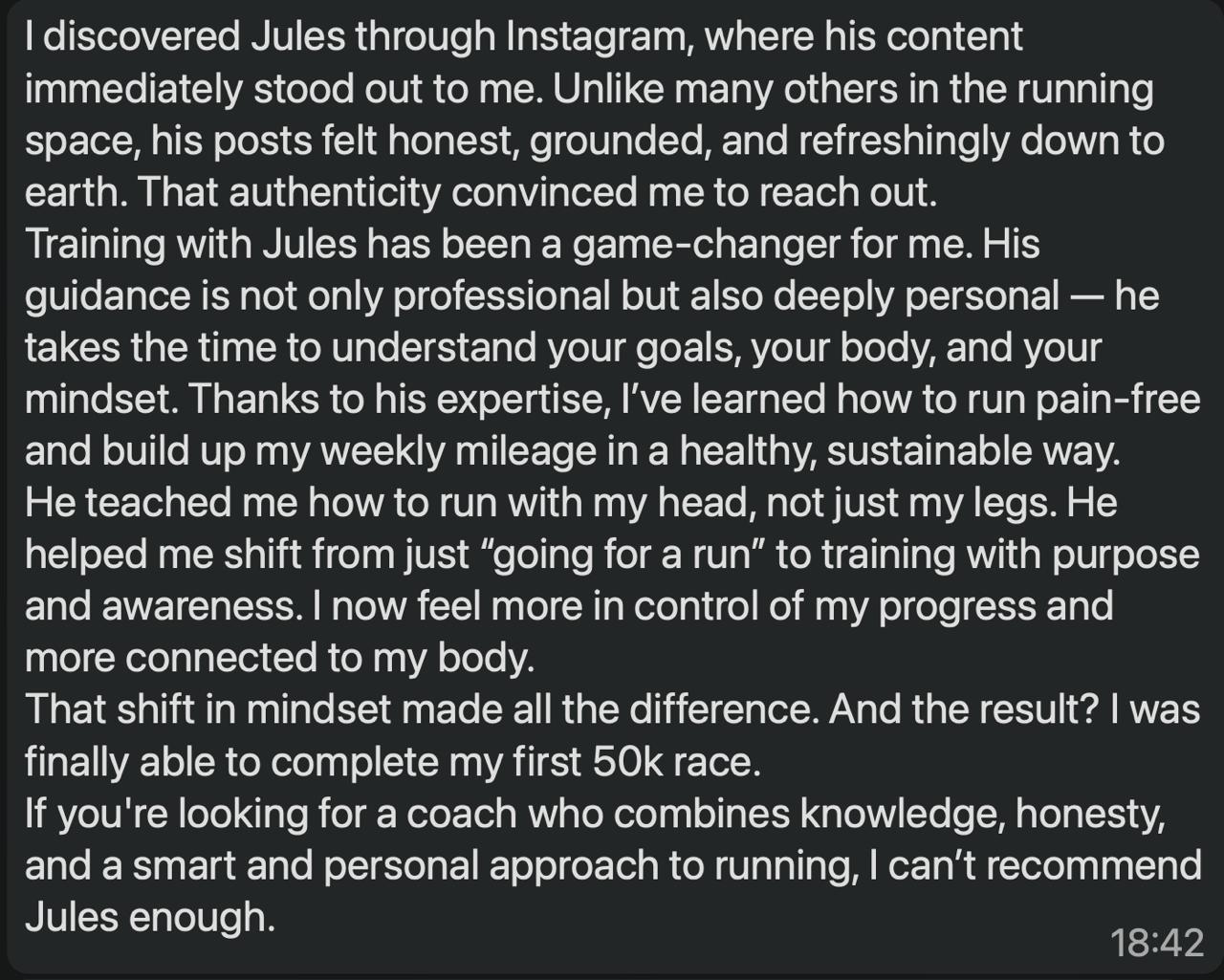
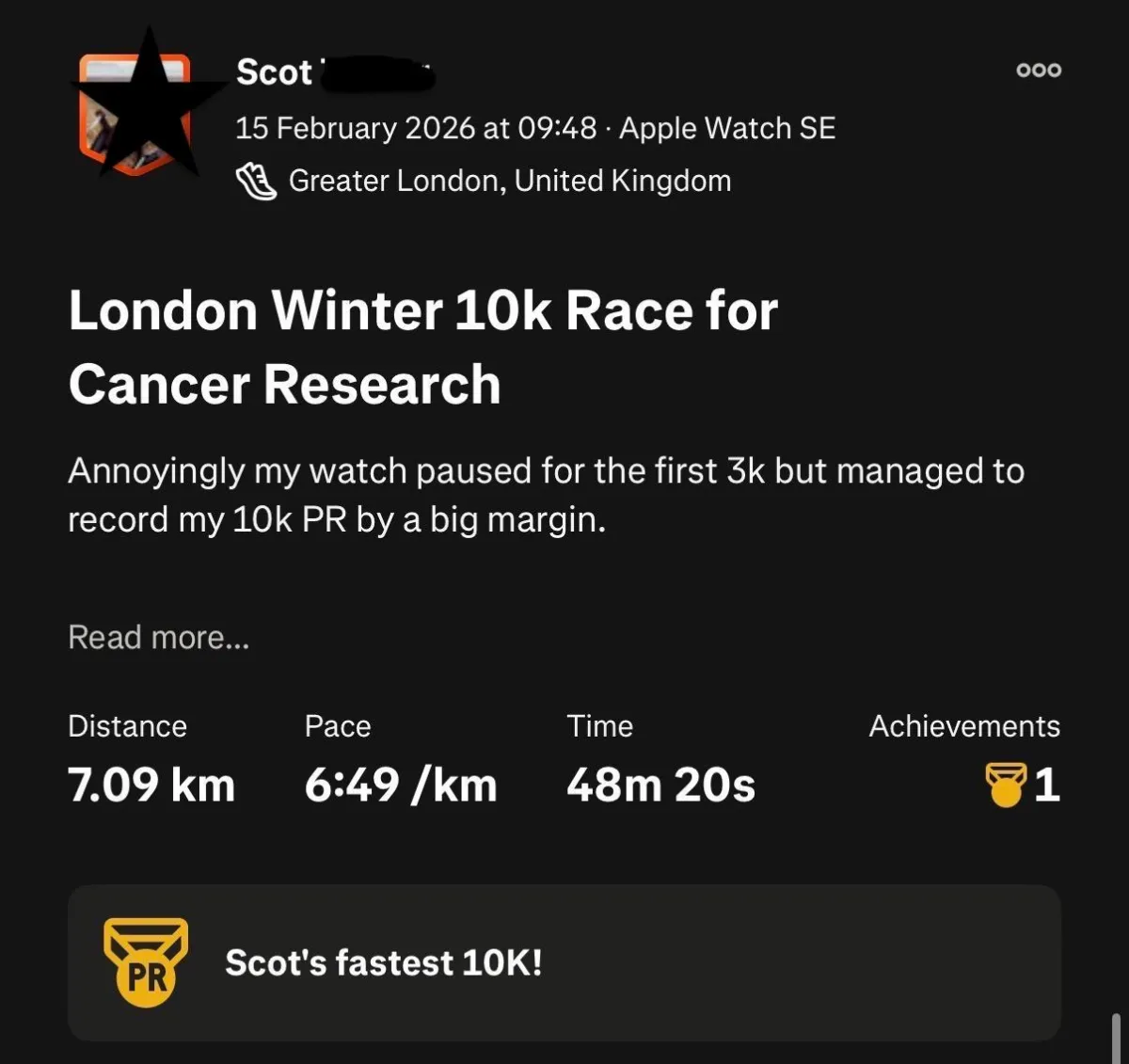
More Transformations
What clients have achieved and
say after working together
But Jules... What If?
Frequently Asked Questions
I'm not injured, I just want to get faster
Great, let's keep it that way! However, more than 50% of runners get injured every year, and it almost always happens when they're pushing toward a new PR or a bigger training block. Injury prevention isn't separate from performance. They're the same thing: your body needs to get stronger.
A traditional run coach can push your mileage, give you workouts, and get you faster in the short term. But when your body breaks down, and statistically the chances are high, they're out of their depth. The combination of running coaching and physical therapy knowledge is what keeps you training consistently long enough to actually get fast.
That's the difference here.
I've done physical therapy and rehab exercises before but it didn't work
Did you get actual rehab, or did you get worked on for 30 minutes by a glorified massagist? Did you gradually and consistently build your body's capacity, or did you get handed a PDF with some exercises? Did you actually run during your rehab, being taught what's manageable and what's too much, or did you just get told to "rest for 2-4 weeks and ease back in"? Or did you just pull a few exercises from Instagram and hope for the best?
To be clear: I'm not coming at you. It's literally not your fault. The reality is, there's many physical therapists out there who have no clue what they're doing. If your therapist has never run a single 10k in their life, how can you expect them to truly understand you? Social media isn't much better either: it's scattered advice, often contradicting, sometimes plain wrong.
Rehab that works means a clear diagnosis, finding the level of load your body can handle without worsening the injury, then gradually transitioning from rehab to performance. The goal isn't to just get you pain-free, it is to get you past the point that got you injured in the first place. This is why there's so many stories on this page from people who had physical therapy before without success, but finally got the breakthrough working with me.
I have trained consistently already but haven't improved
Consistent doesn't always mean efficient. Most runners stuck in a plateau don't know how to break through it by using the right balance of running intensities and strength training, when to push and when to take it easy, and how nutrition and recovery supports everything.
Most runners in this situation turn to YouTube, AI tools, or another generic plan to try to figure it out. The problem is AI will analyze your training and tell you you're doing great. It's built to confirm what you're already doing, not to challenge it. The runners on this page didn't get outlier results from generic advice. They got them because the plan was built around them specifically, targeted exactly what was holding them back, and adjusted when something wasn't working. That's not something an algorithm can give you.
What is the time and financial commitment?
The minimum commitment is 3 months, but most people choose 6. That's the best window to see meaningful progress, whether you're coming back from injury or chasing a new PR. Most clients continue beyond their initial coaching period, but of course you're free to continue on your own using everything you've learned.
On investment: coaching isn't cheap, and it shouldn't be. You're getting a physical therapist and running coach in one, with a plan built specifically for you and adjusted every week. The exact price depends on your situation and goals, which we cover on the free discovery call. What I can tell you is that most clients save months of wasted training, avoid injuries that would cost far more, and finally stop spinning their wheels.
How quickly will I see results?
Depends on where you're starting. If you're dealing with an injury, most clients notice clear improvements in pain within 2-4 weeks of following the plan consistently. Full resolution typically takes 6-12 weeks depending on severity.
If your goal is performance, the early weeks are about building the right foundation. You won't run a PR in week 2. But within the first month, most clients already feel the difference in how their training is structured, how they recover, and how much more intentional their sessions feel. Real performance gains compound over months. The variable is always consistency, and that's what we build together.
But Jules... What If?
Frequently Asked Questions
I'm not injured, I just want to get faster
Great, let's keep it that way! However, more than 50% of runners get injured every year, and it almost always happens when they're pushing toward a new PR or a bigger training block. Injury prevention isn't separate from performance. They're the same thing: your body needs to get stronger.
A traditional run coach can push your mileage, give you workouts, and get you faster in the short term. But when your body breaks down, and statistically the chances are high, they're out of their depth. The combination of running coaching and physical therapy knowledge is what keeps you training consistently long enough to actually get fast. That's the difference.
I've done physical therapy and rehab exercises before but it didn't work
Did you get actual rehab, or did you get worked on for 30 minutes by a glorified massagist? Did you gradually and consistently build your body's capacity, or did you get handed a PDF with some exercises? Did you actually run during your rehab, being taught what's manageable and what's too much, or did you just get told to "rest for 2-4 weeks and ease back in"? Or did you just pull a few exercises from Instagram and hope for the best?
To be clear: I'm not coming at you. It's literally not your fault. The reality is, there's many physical therapists out there who have no clue what they're doing. If your therapist has never run a single 5k in their life, how can you expect them to truly understand you? Social media isn't much better either: it's scattered advice, often contradicting, sometimes plain wrong.
Rehab that works means a clear diagnosis, finding the level of load your body can handle without worsening the injury, then gradually transitioning from rehab to performance. The goal isn't to just get you pain-free, it is to get you past the point that got you injured in the first place. This is why there's so many stories on here from people who had physical therapy before with no success, but finally got their breakthrough working with me.
I have trained consistently already but haven't improved
Consistent doesn't always mean efficient. Most runners stuck in a plateau don't know how to break through it by using the right balance of running intensities and strength training, when to push and when to take it easy, and how nutrition and recovery supports everything.
Most runners in this situation turn to YouTube, AI tools, or another generic plan to try to figure it out. The problem is AI will analyze your training and tell you you're doing great. It's built to confirm what you're already doing, not to challenge it. The runners on this page didn't get outlier results from generic advice. They got them because the plan was built around them specifically, targeted exactly what was holding them back, and adjusted when something wasn't working. That's not something an algorithm can give you.
What is the time and financial commitment?
The minimum commitment is 3 months, but most people choose 6. That's the best window to see meaningful progress, whether you're coming back from injury or chasing a new PR. Most clients continue beyond their initial coaching period, but you're free to continue on your own using everything you've learned.
On investment: coaching isn't cheap, and it shouldn't be. You're getting a physical therapist and running coach in one, with a plan built specifically for you and adjusted every week. The exact price depends on your situation and goals, which we cover on the free discovery call. What I can tell you is that most clients save months of wasted training, avoid injuries that would cost far more, and finally stop spinning their wheels.
How quickly will I see results?
Depends on where you're starting. If you're dealing with an injury, most clients notice clear improvements in pain within 2-4w of following the plan consistently. Full resolution typically takes 6-12w depending on severity.
If your goal is performance, the early weeks are about building the right foundation. You won't run a PR in week 2. But within the first month, most clients already feel the difference in how their training is structured, how they recover, and how much more intentional their sessions feel. Real performance gains compound over months. The variable is always consistency, and that's what we build together.
Why I Created This System
My Story
I studied sports sciences in high school but was the least fit in class. Later, as a physical therapy student, I learned the power of strength training for injury prevention, but also how cardiovascular fitness is crucial for health & longevity.
I started lifting to get stronger, but when I took up running, I could barely finish a 5K without gasping for air and struggled with multiple injuries. As a physical therapist, I realized I was guiding runners to overcome injuries and improve performance, but I couldn't even run a 10K myself.
Determined to apply my own advice, I went from 5Ks with pain to a full marathon in six months, injury-free, and soon after hit a sub-20min 5K. Using a hybrid approach, I kept my strength gains while building endurance.
My current goal is a sub-3h marathon while staying strong and injury-free. The same system I used to (re)build myself is what I now use with runners around the world.
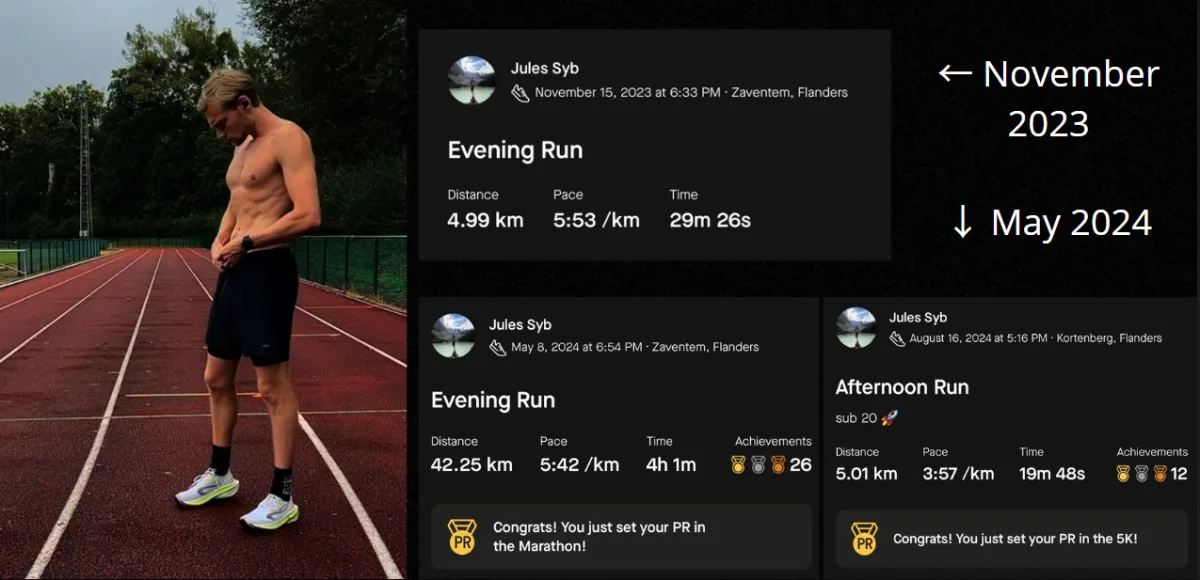
Current PR's: 5k = 19:00, HM: 1:31, FM: 4:01 (currently training for marathon)
Lifts: 180kg deadlift (397lbs), 120kg squat (265lbs), +50kg weighted chest dip (110lbs), +40kg weighted pull-up (88lbs), at 72kg bodyweight (159lbs)
Why I Created This System
My Story
I studied sports sciences in high school but was the least fit in class. Later, as a physical therapy student, I learned the power of strength training for injury prevention, but also how cardiovascular fitness is crucial for health and longevity.
I started lifting to get stronger, but when I took up running, I could barely finish a 5K without gasping for air and struggled with multiple injuries. As a physical therapist, I realized I was helping runners to overcome injuries and improve performance but I couldn't even run a 10K myself. Something had to change.
Determined to apply my own advice, I went from 5Ks with pain to a full marathon in six months, injury-free, and soon after hit a sub-20min 5K. Using a hybrid approach, I kept my strength gains while building endurance.
My current goal is a sub-3h marathon while staying strong and injury-free. The same system I used to (re)build myself is what I now use with runners around the world.
Current PR's: 5k = 19:00, HM: 1:31
Lifts: 180kg deadlift (397lbs), 120kg squat (265lbs), +50kg weighted chest dip (110lbs), +40kg weighted pull-up (88lbs), at 72kg bodyweight (159lbs)
© 2026 Julessybfit. All rights reserved.
© 2026 Julessybfit. All rights reserved.